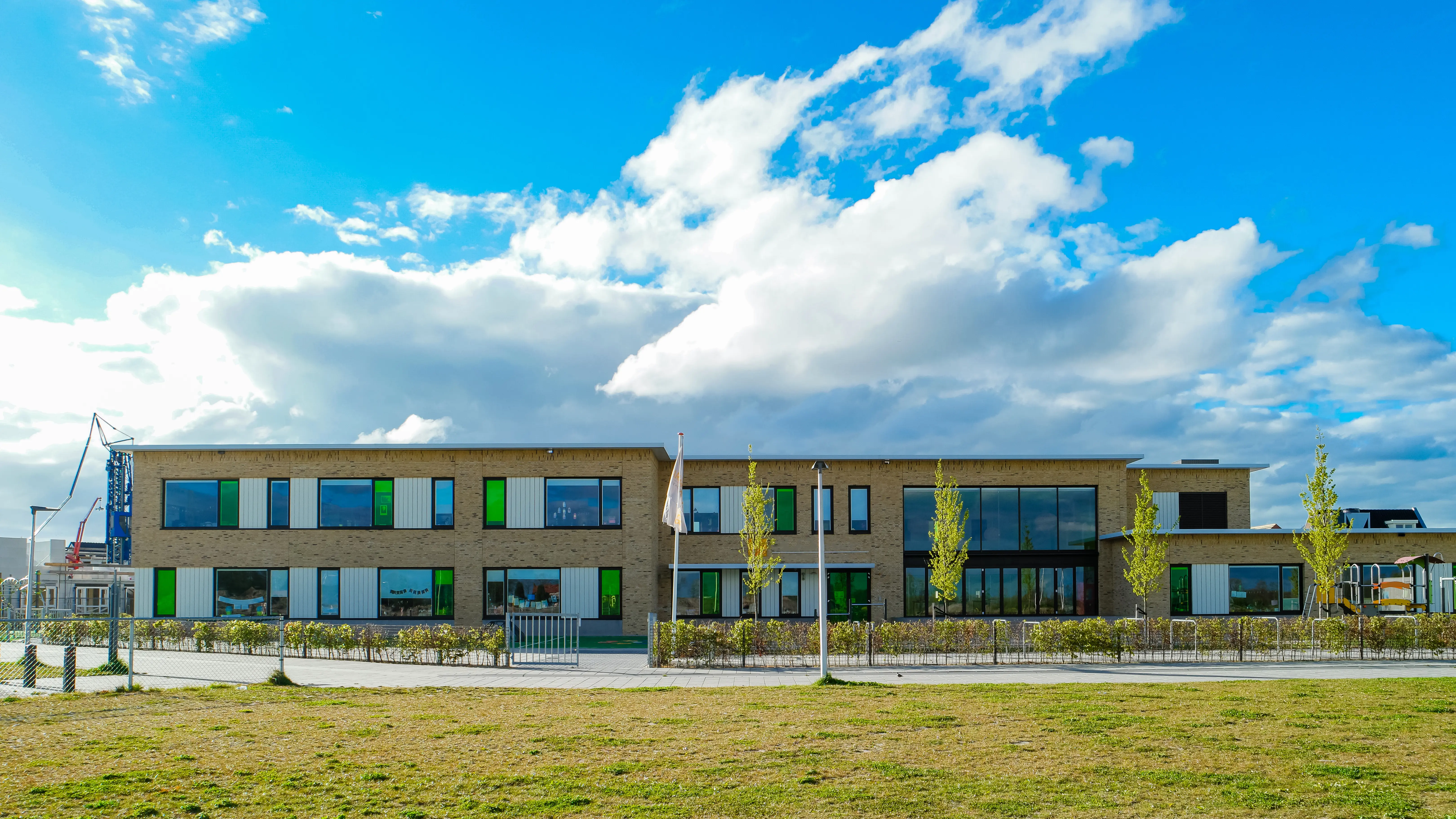
Used for assets such as schools, medical centres, emergency service buildings and other purpose built facilities, a DRC valuation determines value by considering what it would cost to replace the asset today, and adjusting for age, condition and functional suitability.
When is a DRC valuation used?
A DRC approach is typically adopted when:
- The property is highly specialised, with no open market transactions to benchmark against
- The asset is rarely sold and is usually owner occupied
- Its value is intrinsically linked to its function, construction and design
- Comparable evidence simply doesn’t exist
Common examples include: schools, hospitals, public sector buildings, infrastructure assets and bespoke commercial or rural facilities.
How does a DRC valuation work?
A DRC valuation is built up from two key components:
1. The cost of creating a Modern Equivalent Asset (MEA)
This represents what it would cost to build a modern version of the property today.
Costs may be assessed using:
- Industry standard indices
- Specialist construction cost data
- Input from qualified building surveyors
At GFW, our valuers work closely with our inhouse building surveyors to ensure the replacement cost is robust, evidence based and reflective of current construction standards.
2. The value of the land required
The land needed to accommodate a modern equivalent building is assessed, including any surplus land. This often involves support from our Planning & Development team, who bring expertise in:
- Development potential
- Land use constraints
- Local planning policy
- Market demand for developable land
Adjustment for depreciation
Finally, the replacement cost is adjusted to reflect the subject property’s:
- Age
- Physical condition
- Functional limitations
- Economic or external factors
The outcome is an informed estimate of the asset’s current value based on what it would cost to replace it today – less appropriate allowances.
Do you need a DRC valuation?
You may need a DRC valuation if you own or manage:
- Schools
- Surgeries and medical centres
- Community or public sector buildings
- Purpose built commercial or rural facilities
Typical reasons for requiring a DRC valuation include:
- Statutory or audit requirements
- Strategic business planning
- Tax or financial reporting
- Dispute resolution or expert witness matters
- Insurance and reinstatement assessments
Speak to our valuation specialists
DRC valuations require technical understanding, sector expertise and a joined up approach across valuation, surveying and planning.
As a multidisciplinary firm, we offer this under one roof, providing clear, defensible valuations tailored to complex and specialised assets.
If you’d like to understand whether a DRC valuation is appropriate for your property – or simply want to talk through the process – our valuation team will be happy to help.