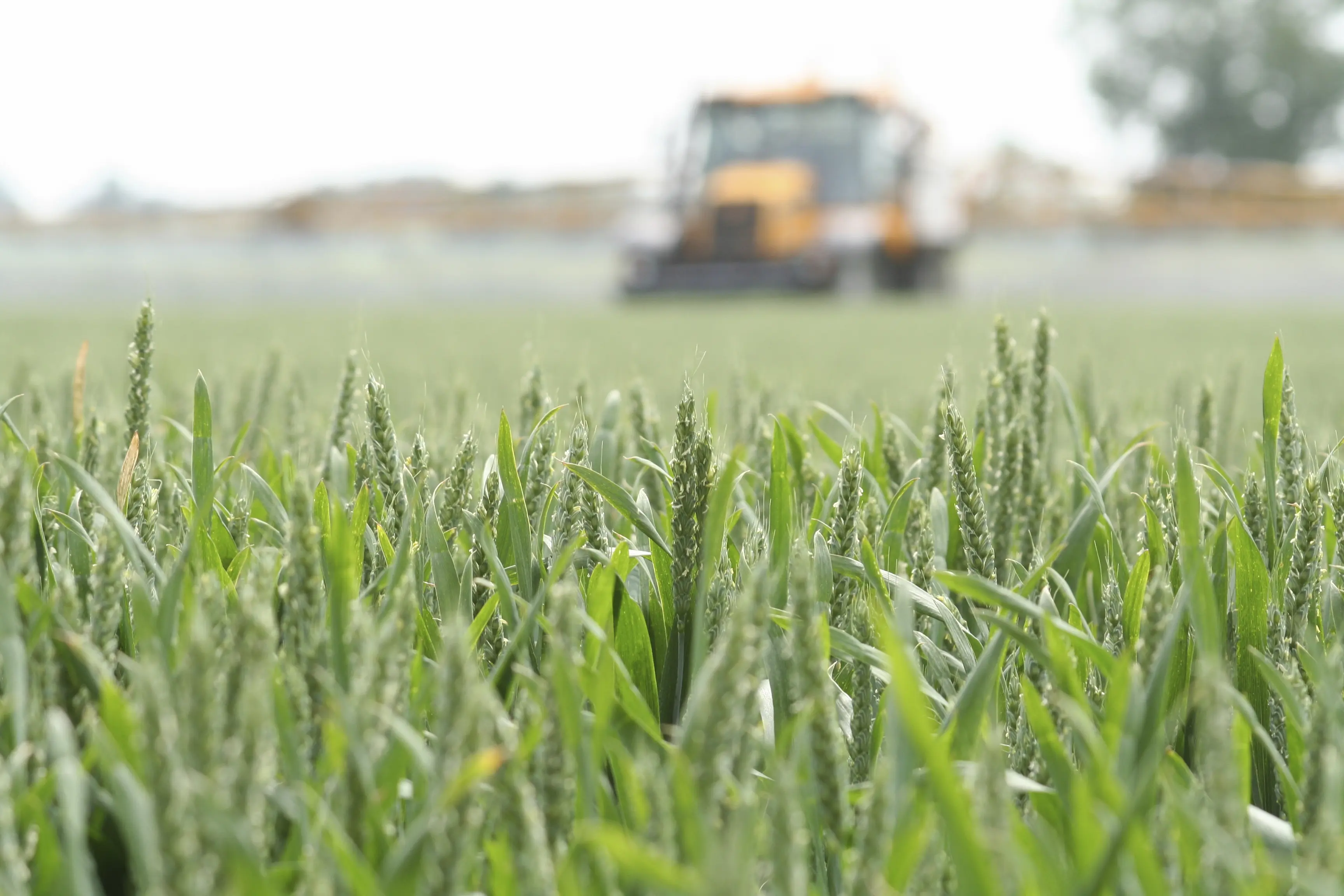
Under the Sustainable Farming Incentive (SFI) companion cropping option*, growers can sow buckwheat alongside oilseed rape (OSR) to enhance crop health, resilience, and overall system sustainability.



Registered Office
Dean Street Arch, 22 Dean Street, Newcastle upon Tyne, NE1 1PG
Under the Sustainable Farming Incentive (SFI) companion cropping option*, growers can sow buckwheat alongside oilseed rape (OSR) to enhance crop health, resilience, and overall system sustainability.
Buckwheat establishes quickly and is typically destroyed by the first frost or sprayed off before harvest, leaving OSR to mature as the primary cash crop.
Beyond immediate crop benefits, buckwheat contributes to long-term soil health and system resilience. Its inclusion in the rotation promotes soil structure and microbial activity, while reducing reliance on fertiliser and chemical control. This diversity helps arable businesses adapt to pest pressures, fluctuating input costs, and increasingly variable weather.
Elliot Taylor, Partner and Farm Business Consultant, highlights the growing relevance of this approach.
“Companion cropping with buckwheat offers oilseed rape growers a practical, science backed way to improve establishment and reduce input risks. It’s a simple addition that strengthens both the crop and the wider farming system, making businesses more resilient to today’s agronomic and economic challenges”
By combining SFI support with the natural benefits of buckwheat, farmers can enhance OSR performance and profitability while moving toward more sustainable, future-proofed cropping strategies.
* The Sustainable Farming Incentive (SFI) option Companion cropping (IPM3 / CIPM3) is part of the Integrated Pest Management (IPM) actions.
For more information on how to make your arable system more resilient in these challenging times, contact the GFW Rural team. Rural – GFW
The latest news from GFW.