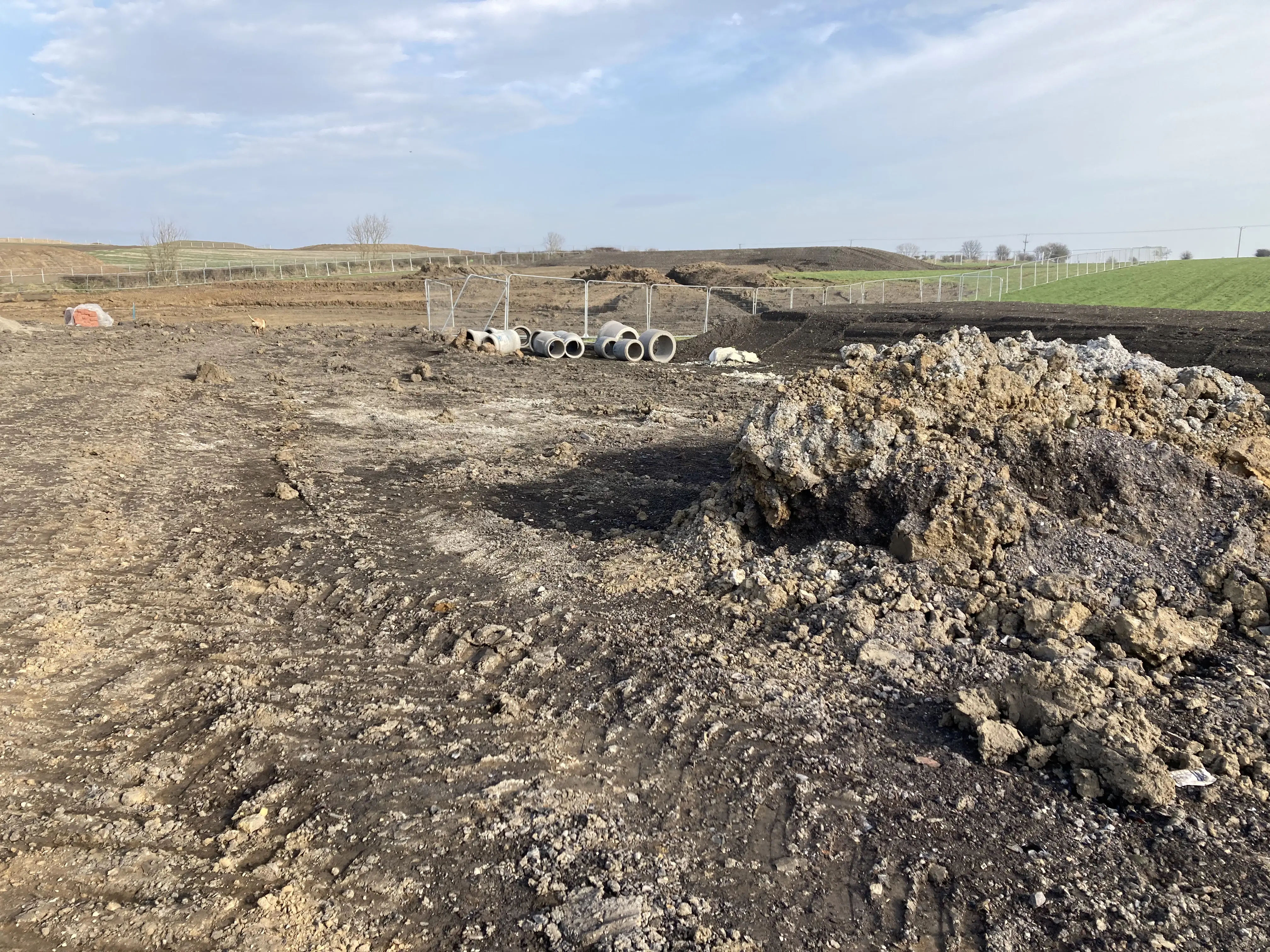
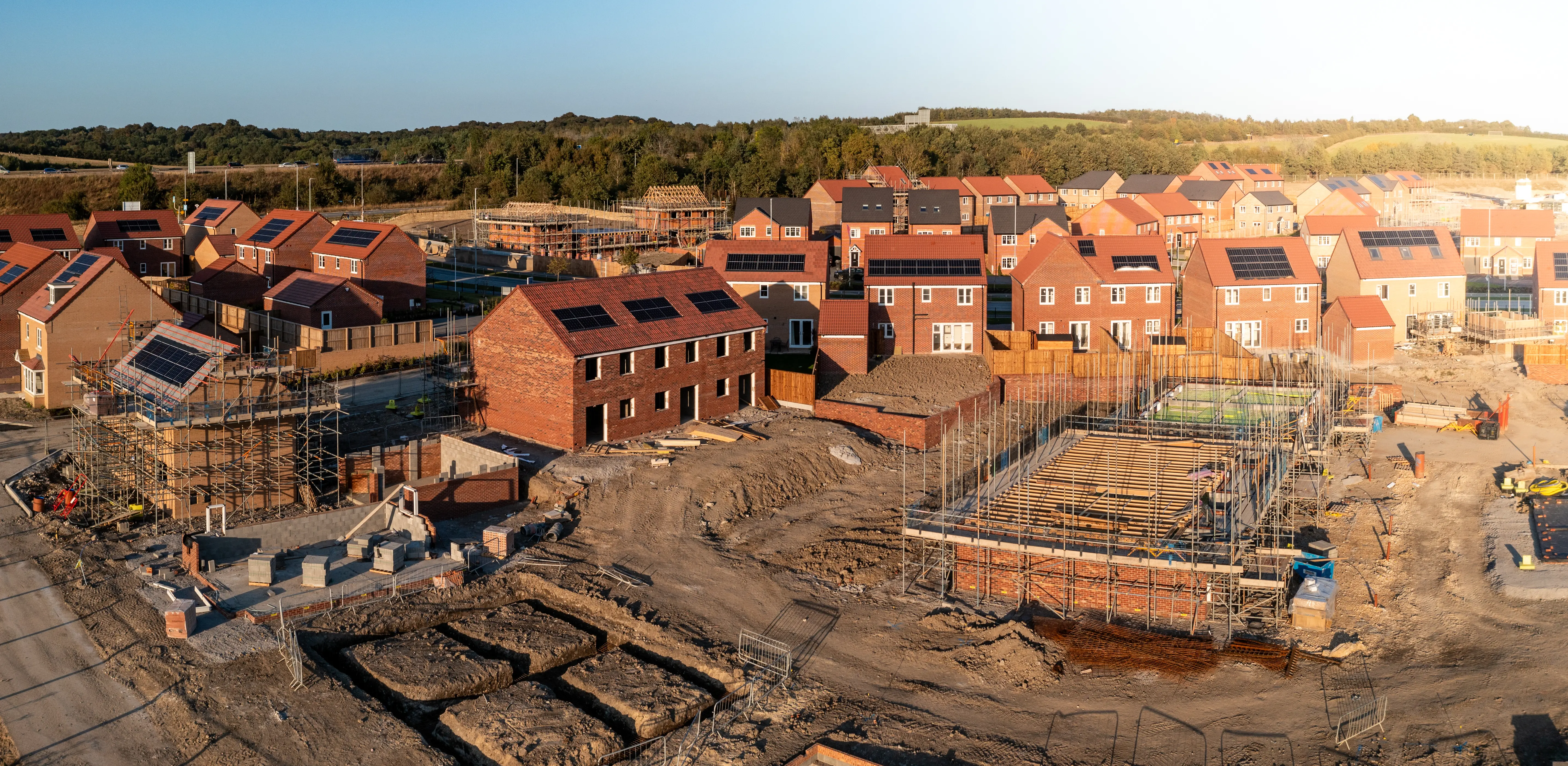
The long-awaited A66 Northern Trans-Pennine Project has now reached a significant milestone, with National Highways confirming that its Full Business Case was approved on 22 October 2026, allowing main construction works to commence.


Registered Office
Dean Street Arch, 22 Dean Street, Newcastle upon Tyne, NE1 1PG
The long-awaited A66 Northern Trans-Pennine Project has now reached a significant milestone, with National Highways confirming that its Full Business Case was approved on 22 October 2026, allowing main construction works to commence.
This follows the Government’s confirmation within the 2026 Budget that construction will begin in November 2026, delivering a continuous 50-mile dual carriageway between Scotch Corner and Penrith. However, the project will now be delivered over a revised nine-year programme, with full completion anticipated in 2035.
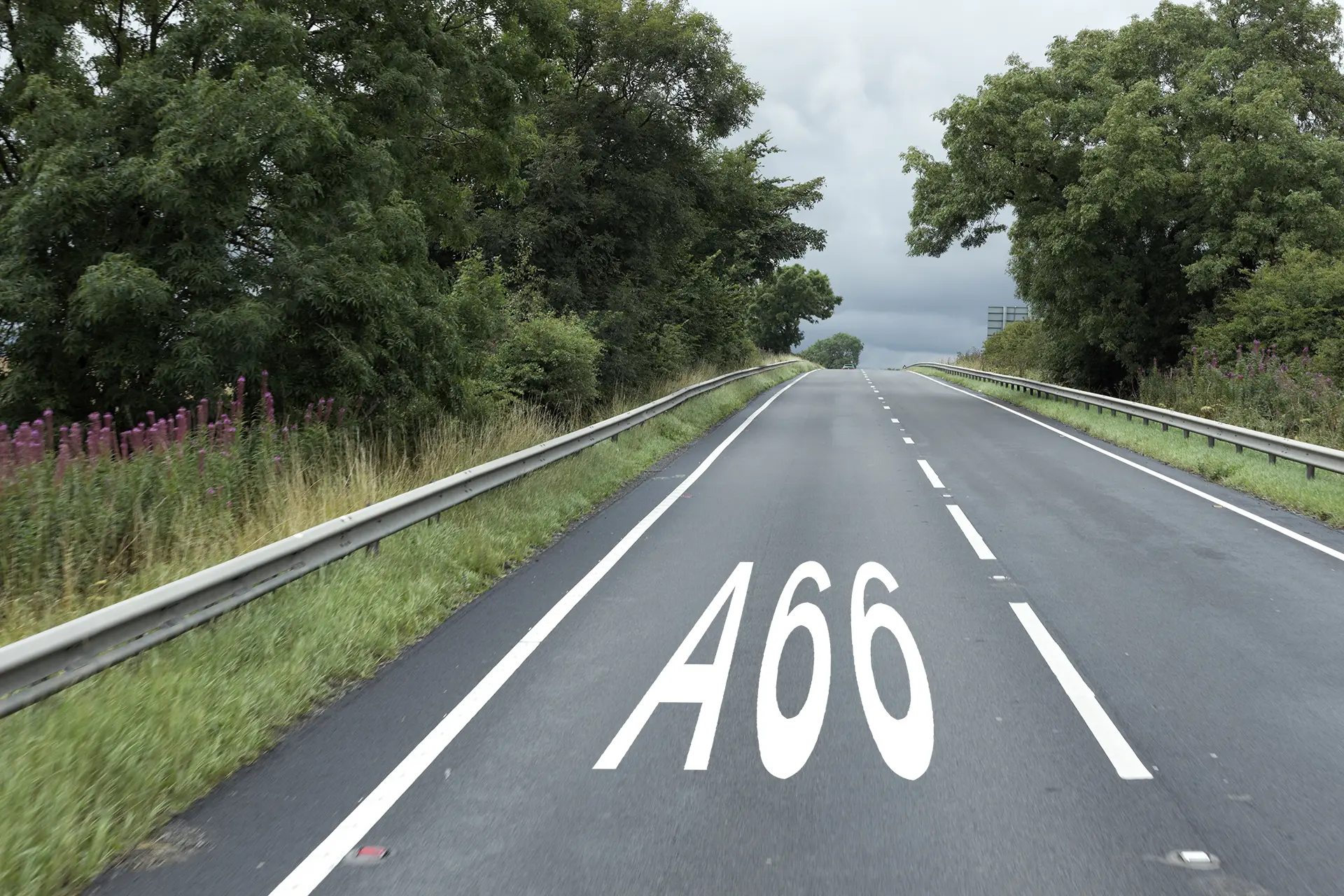
The A66 is one of the North of England’s most important strategic transport corridors, providing a vital connection between the A1(M) and M6. It serves both local communities and national freight movements, linking major ports including Stranraer, Hull and Felixstowe. Heavy goods vehicles currently account for approximately 25% of traffic on the route, more than double the national average for roads of this type.
The scheme aims to:
Whilst the overall programme extends to 2035, works will be undertaken in phases:
Main construction will begin immediately, and this section is expected to open by 2031.
Significant archaeological investigations, utility diversions and enabling works will continue until 2030. Main construction on this stretch is expected to commence from 2030.
Although full construction may not commence immediately across all eastern sections, stakeholders should expect increasing activity including archaeological investigations and utility diversion works. National Highways has also confirmed its intention to complete improvements at Scotch Corner during the current Road Investment Strategy period (RIS3).
For many landowners, occupiers and rural businesses, the project is now entering a crucial phase.
Those affected may experience:
Many landowners have already been affected by surveys, land referencing and preliminary works, but with main construction now approved, negotiations regarding compensation and accommodation works are expected to accelerate.
The revised programme means some affected properties could experience disruption over an extended period. It is therefore essential that landowners begin recording losses and operational impacts as early as possible.
Evidence relating to:
can all be critical when assessing compensation entitlements.
For many landowners and occupiers, the A66 upgrade will bring both challenges and opportunities. Whilst the scheme will deliver significant regional benefits, it is important that those directly affected understand the implications for their land, property and business.
At GFW, we have extensive experience advising landowners, farmers and rural businesses affected by major infrastructure projects. We understand both the technical aspects of compulsory purchase and compensation, as well as the practical realities of managing land and farming businesses during lengthy construction projects.
We can assist with:
Every property and business will be affected differently. Early engagement can help identify potential issues, ensure concerns are raised at the appropriate stage and allow suitable solutions to be explored before construction progresses.
With the Full Business Case now approved and construction due to commence in November 2026, the project is entering a significant new phase. Landowners and occupiers affected by the scheme should take the opportunity to review how the proposals may impact their property and business in the years ahead.
If you would like to discuss any aspect of the A66 Northern Trans-Pennine Project, please contact Helen Bell MRICS on 07590 230510.
The latest news from GFW.