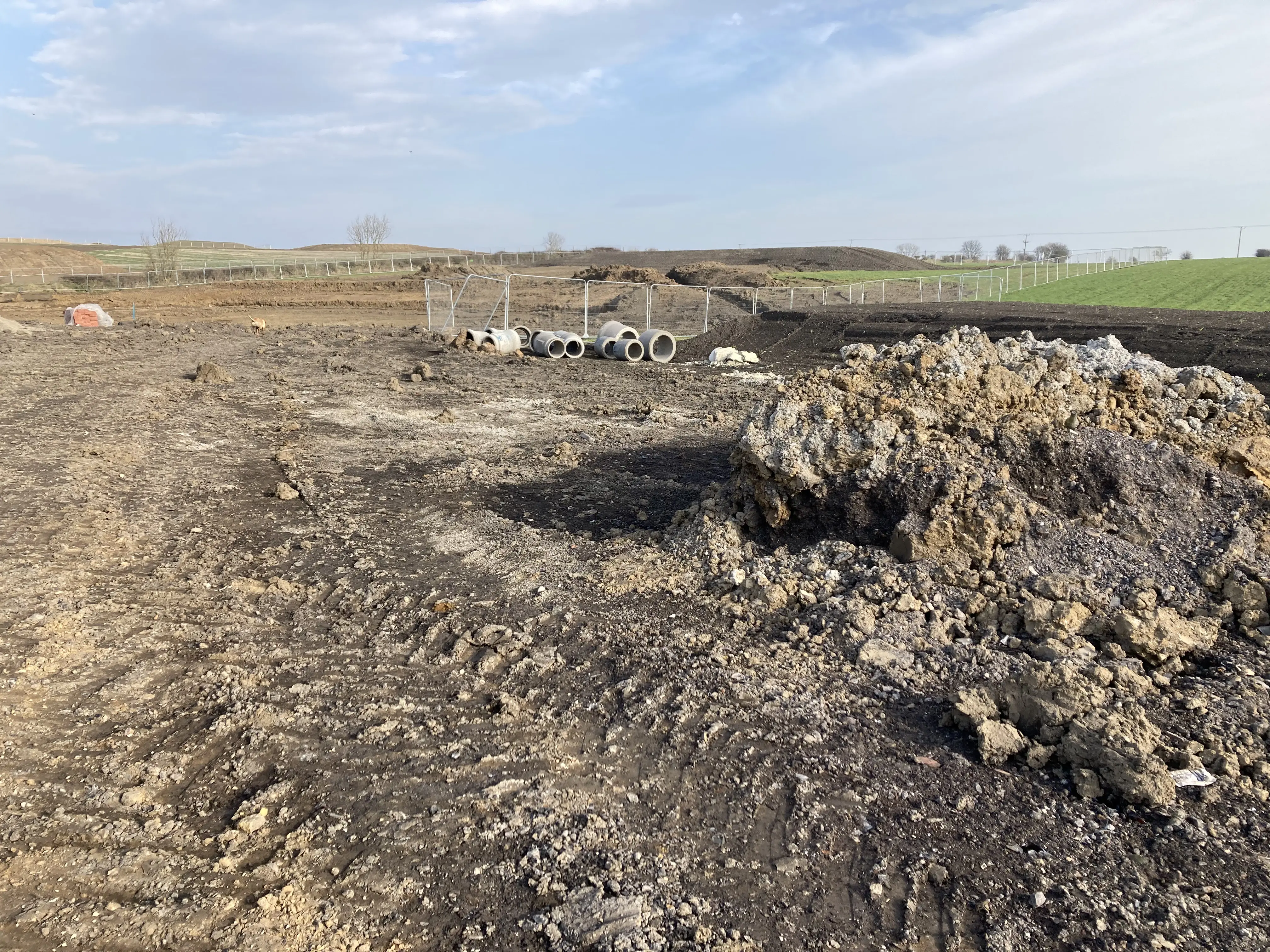
Prolonged wet spells have delayed planting schedules and increased the risk of soil erosion and waterlogging, stunting root development and compromising crop yields. The wet spring made 2024 lambing particularly tedious in some regions. In both cases, farmers have had to adjust their strategies to accommodate the monotonous weather.
Volatile weather patterns underscore the importance of resilience and need for adaptability in farming practices. A successful business plan will be able to establish a new course of direction in the case of unpredictable events or cope with a change and fall back into line with the plan once the challenge has been overcome.
Farming is rarely considered an exact science due to the quantity of external factors that influence the outcome of the hard work that farmers put into their businesses. Whether it is the unpredictable nature of the ‘delightful’ British weather, or the extreme price volatility the industry has experienced over the last 18 months ‘Lady Luck’, good or bad, often plays a key role in whether you can successfully navigate these challenges. Of course, it can be sometimes easier to dwell on the factors out of your control rather than focusing on those that you can change.
Creating a strategic business plan:
Making several small changes to your farming business can have an enormous positive impact on your bottom line. Fundamentally, focusing on those factors in your control will help mitigate against those outside of your reach and will help to reduce risk. As important as it is to concentrate on the detail by making those important marginal gains, it is equally vital that you take a step back and look at what direction you want your business to go in and how to get it there.
We have seen many farmers embracing sustainable techniques such as cover cropping and conservation tillage to enhance soil health and mitigate the effects of extreme weather events which have diverted aspects of their business plan to adapt to these unpredictable events.
Having a strong business plan is vital. Not least to prepare for the eventual removal of direct support payments but also because being able to achieve your objectives can only be possible from careful planning and carrying out detailed business analysis.
As spring unfolds into summer, farmers will continue to monitor weather forecasts closely, adjusting their strategies and operations accordingly.