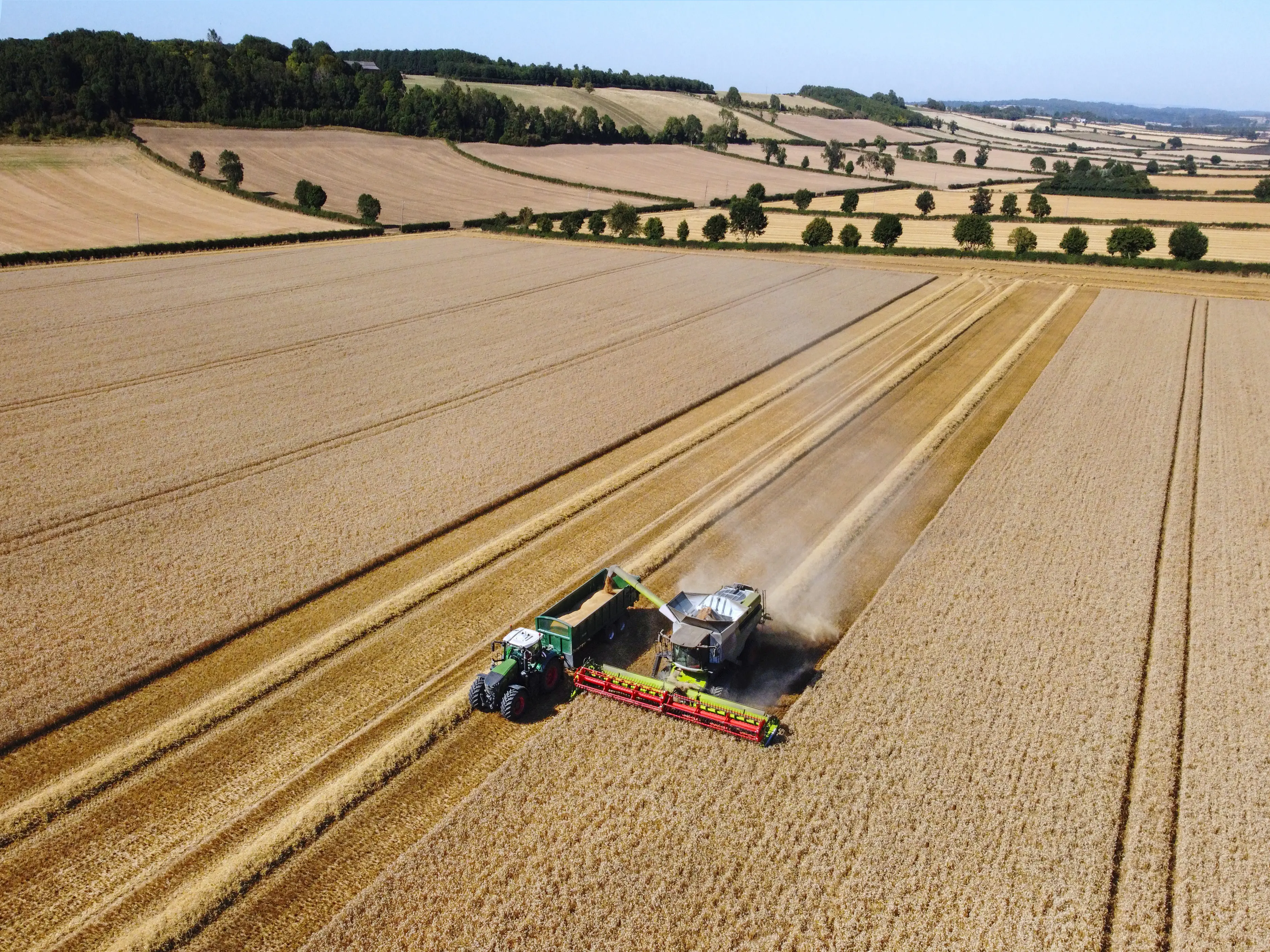
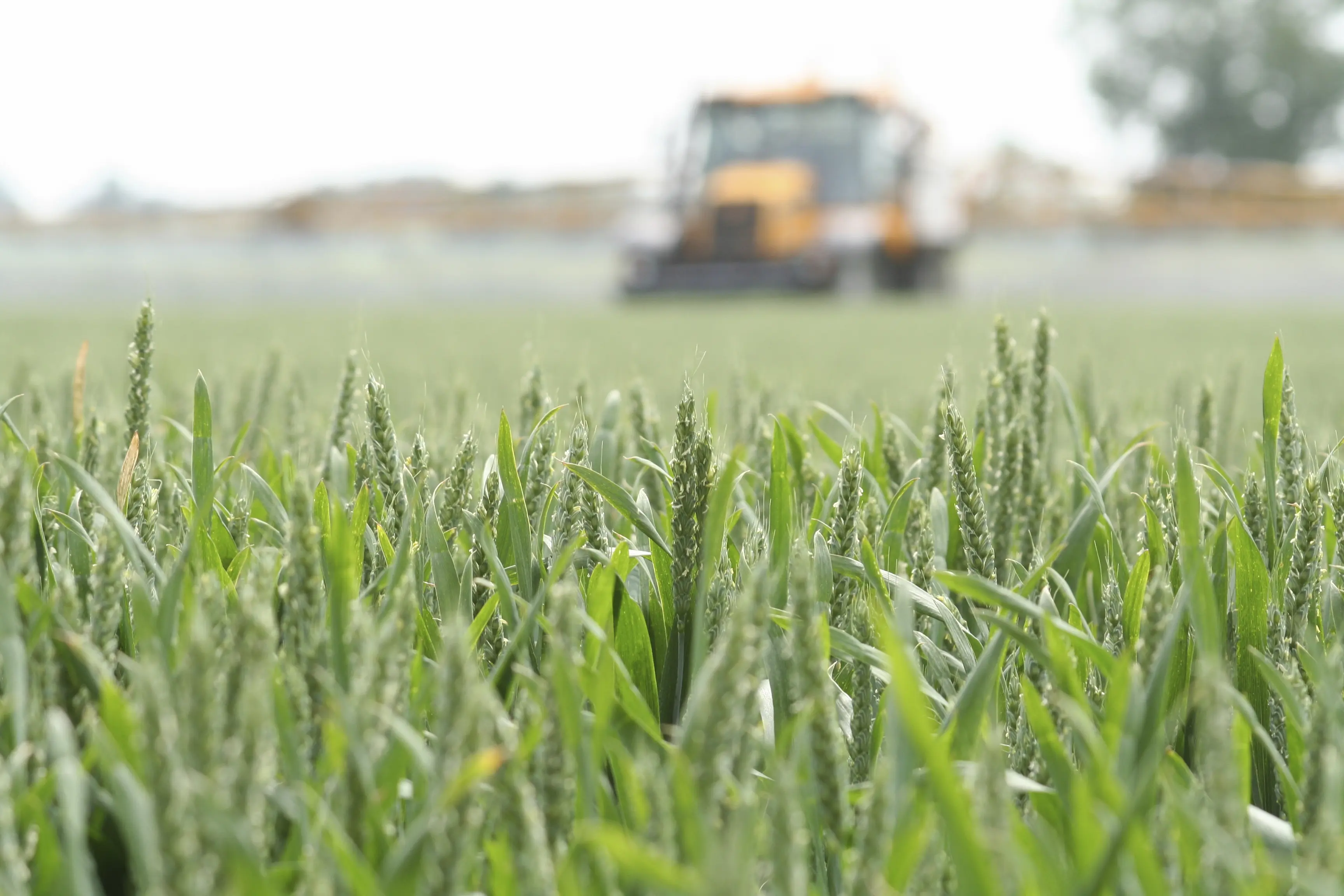
Against this backdrop, finding ways to protect yields, maintain profitability, and reduce risk has never been more important. One practical example of resilience in action can be seen in the use of legume fallow crops grown as part of the Sustainable Farming Incentive (SFI) scheme. The legume fallow action is proving to be a valuable tool for arable businesses aiming to strengthen their cropping strategy. Not only does it improve soil health, but it also fixes nitrogen naturally, reducing reliance on artificial fertilisers, and creates an opportunity for an earlier entry for the following season’s wheat crop.
It’s important to note that the SFI scheme is currently closed to new applications and when it reopens, it could offer different actions, payment rates, or eligibility rules from those available previously. Farmers interested in this type of option in the future will need to review the updated guidance carefully to see how it might fit into their business strategy or look to adopting this type of cropping strategy without scheme support.
The establishment method used is often equally significant. By sowing with a direct disc drill, a farmer will be able to conserve as much soil moisture as possible. This is particularly important given the dry conditions experienced this year. Conserving moisture in the seedbed gives crops the best possible chance to establish strongly, even when rainfall is scarce, helping to secure a more reliable return on investment. The benefits of this approach extend beyond a single season.
Conservation agriculture, which includes minimal soil disturbance, permanent soil cover, and diverse crop rotations, offers a pathway to both environmental and economic resilience. The focus is on profitable arable farming, reducing operational risks while maintaining strong net margins per acre. This is not about chasing maximum yield at all costs. Instead, it’s about making smart, sustainable decisions that work with natural systems, reduce input costs, and safeguard the soil for future generations.
With schemes like SFI supporting beneficial practices, farmers have more tools at their disposal to build resilient, profitable businesses. As the sector continues to adapt to evolving challenges, the key will be integrating practices that protect the land and enhance profitability. Whether through legume fallows, direct drilling, or broader conservation strategies, the goal is the same, to create farming systems that can thrive regardless of what the season brings.
If you’d like to explore how to make your farm more resilient in these challenging times, now is the perfect moment to start the conversation.
Please contact Elliot Taylor for bespoke advice about building resilience on your farm. https://gfwllp.co.uk/team-members/elliot-taylor/